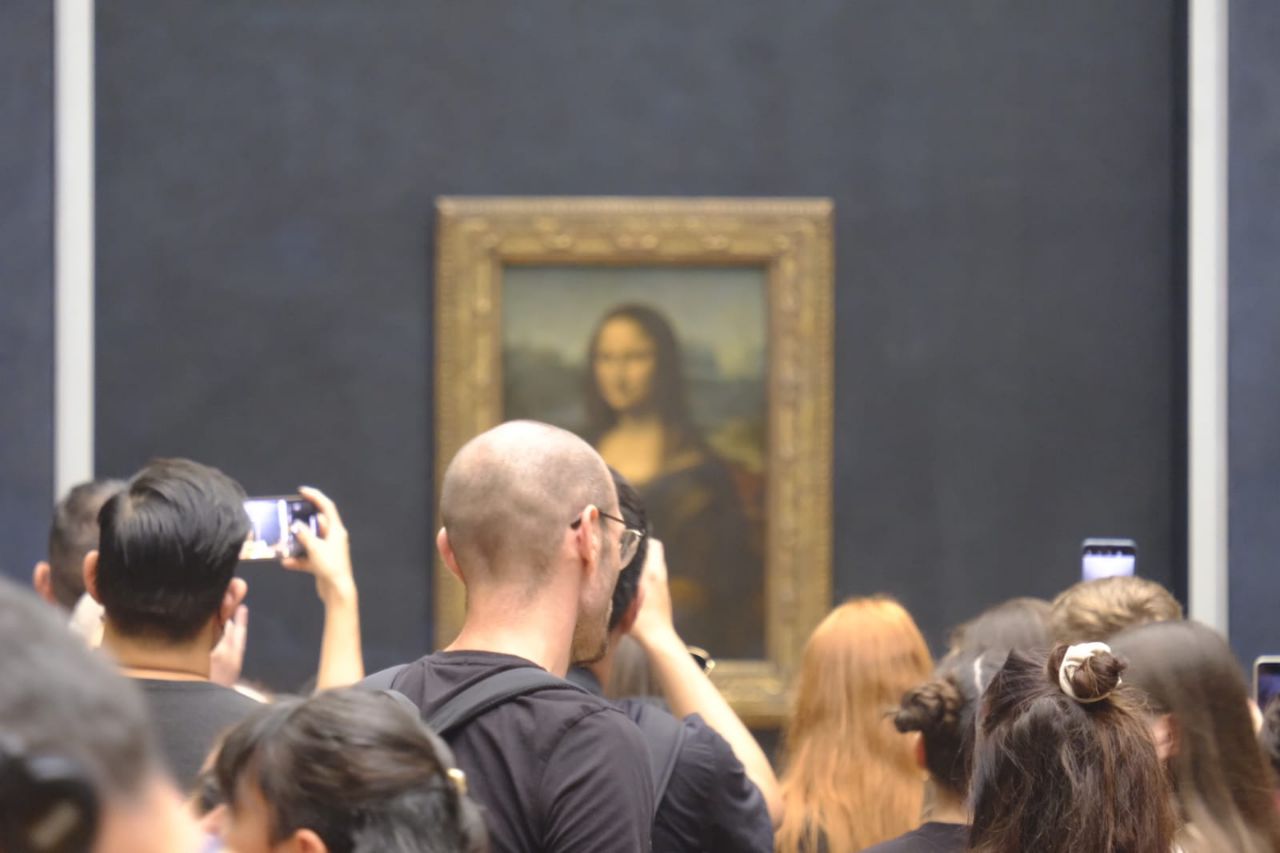
This post was inspired by my recent visit to the Louvre Museum in Paris.
Leaving people as mere aggregates promotes individualistic — and frequently — incongruent behavior. As Mark Granovetter comments about people in a fire in a theater,
Consider, for example, why individuals in a burning theater panic and stampede to the door, leading to desperate results. Analysts of collective behavior long considered this to be prototypically irrational behavior, but Roger Brown (1965, chap. 14) points out that the situation is essentially an n-person Prisoner’s Dilemma: each stampeder is actually being quite rational given the absence of a guarantee that anyone else will walk out calmly, even though all would be better off if everyone did so.
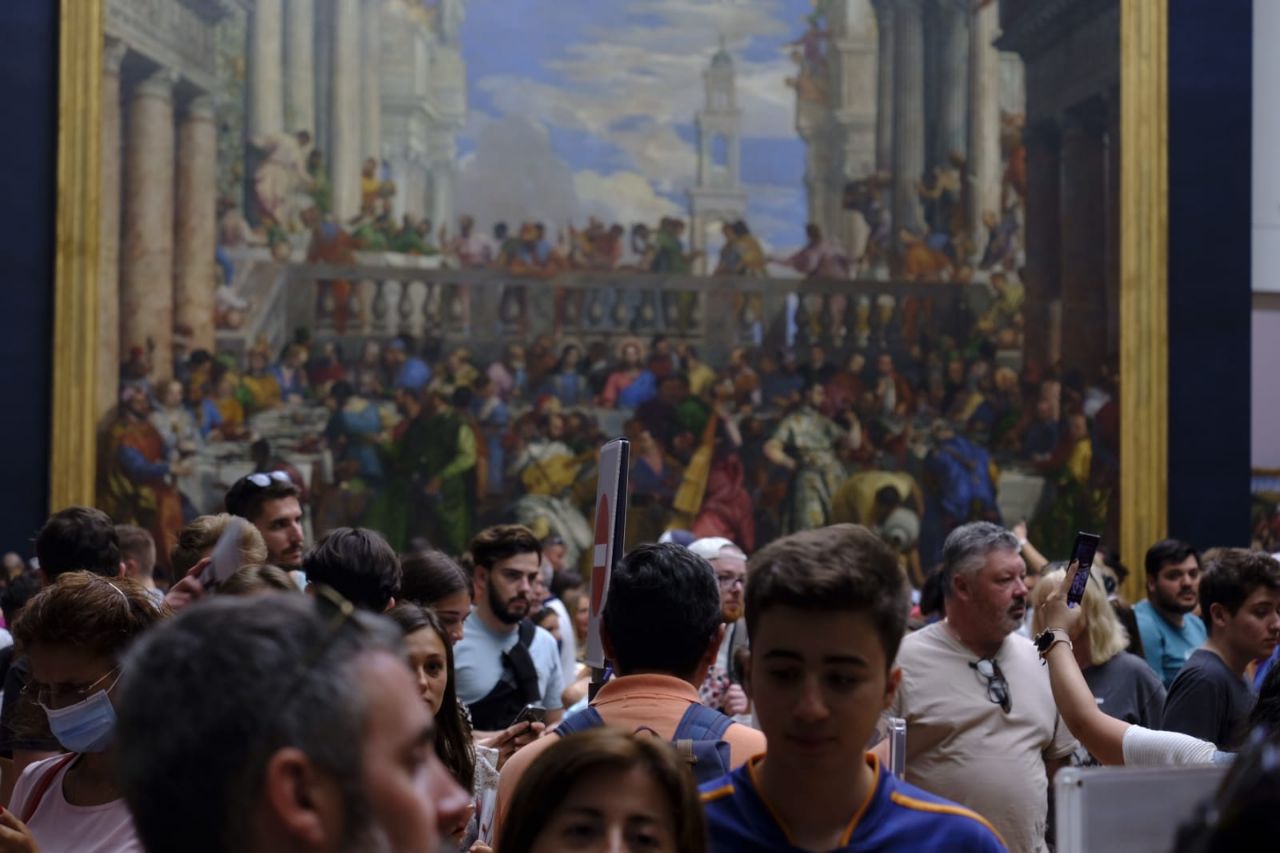
Thus, the mere aggregation of people does not unlock the potentials of community and the creation of shared value. In such circumstances, the result is that everyone likely has an unsatisfactory experience, as can be seen in this picture I took of a particular chamber in the Italian Masters of the Renaissance in the Sully Wing of the Louvre. While this chamber features many Renaissance masters, including Titian, Veronese and others, unfortunately, due to the “stampede” effect of La Giaconda, everyone has a subpar experience:
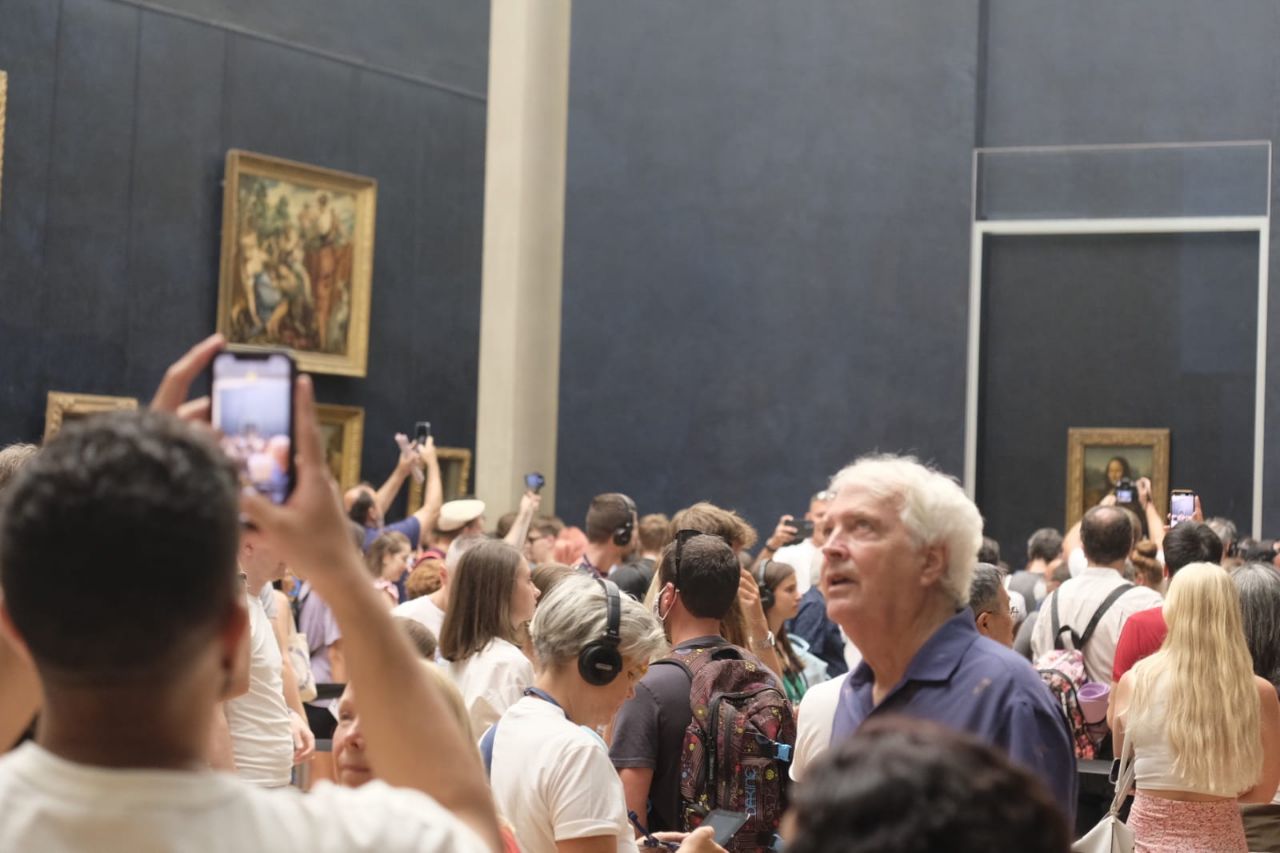
You can see the lonely Veronese paintings on the left. On a smaller scale, it looks like this:
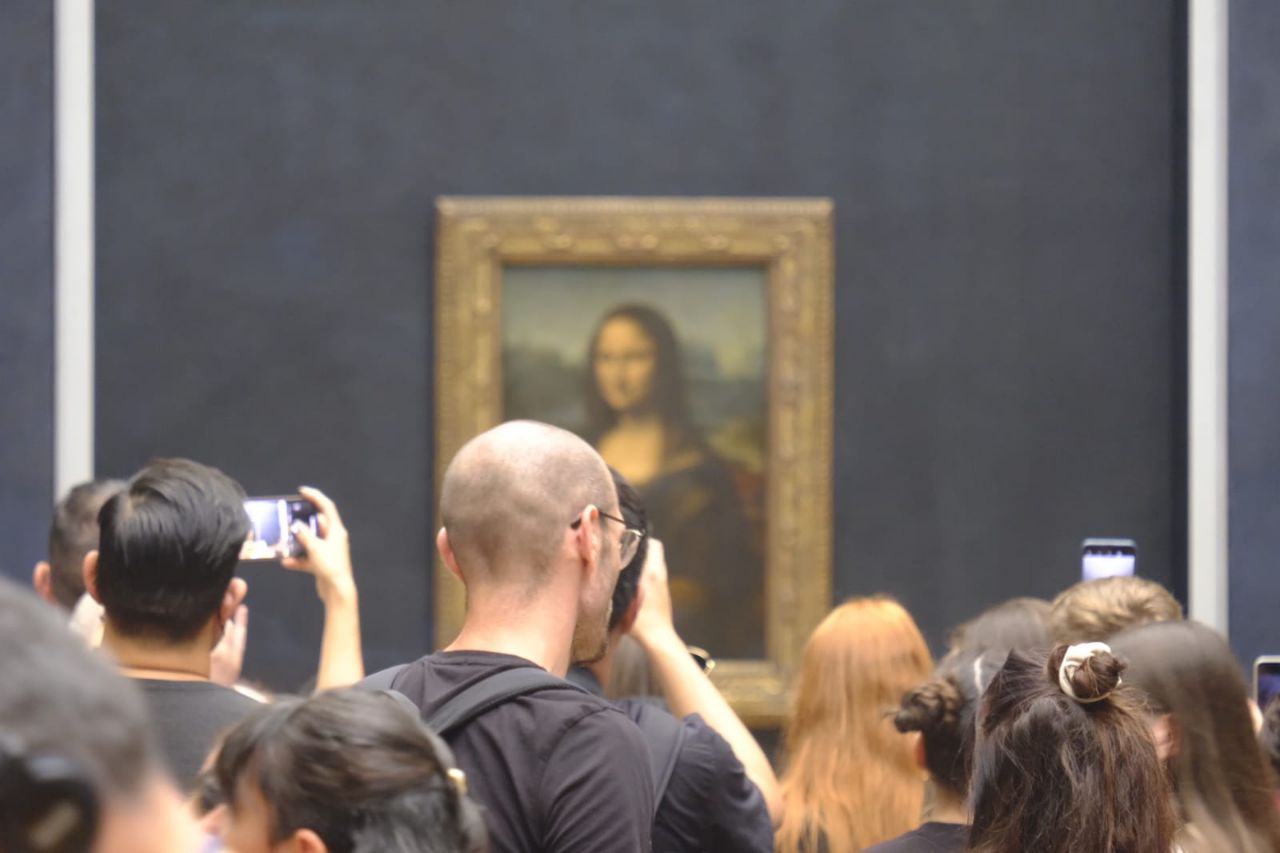
Who can enjoy art like this? And who can exact meaningful change in a world where behavior is channelled in such overtly silly ways? In fact, Granovetter suggests that strong and weak ties are what bind people to behave in certain collectively beneficent ways, rather than acting as pinballs bouncing around wildly. He sees this typified in the family:
Note, however, that in the case of the burning houses featured on the 11:00 P.M. news, we never hear that everyone stampeded out and that family members trampled one another. In the family, there is no Prisoner’s Dilemma because each is confident that the others can be counted on.
The point, however, should not be on certain relational attributes, such as being a member of X’s family, but rather on relational events. These can be promulgated by shared experiences — including outside of the family, with perfect strangers — and which stimulate a notion of shared values and can spill over into other behavioral arenas and dynamics.
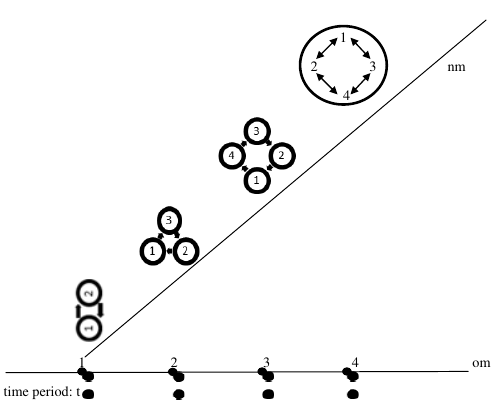
It is my argument that we are today standing or sitting before the precipice of a great revolution in the way individuals and collectivities interact with each other. Harnessing the power of cooperation can facilitate a shared sense of agency that can, in turn, spill over into phenomena like the use of technology. Thus, we may see a future where the distinctions between art and life become increasingly blurred and where people enjoy such experiences together in a more integral way, one which we cannot imagine today because we are trained to behave as pinballs.
Furthermore, I am convinced that, going forward, designing processes to stimulate increasing cooperation beyond the boundaries of strong and weak ties will allow us to both overcome the huge challenges of the present, including scandalous inequality and the horrors of an uninhabitable and desolate planet. This involves simultaneously establishing overarching missions or agendas in a collective way and then discovering the appropriate ways to 1) elicit information on progress (or lack thereof) in achieving these missions via reporting standards and 2) institutions with the capacity to intervene when things are failing.
Thus, instead of jostling for five seconds for a selfie before La Gioconda, we may ourselves be drawn into being part of the artwork!
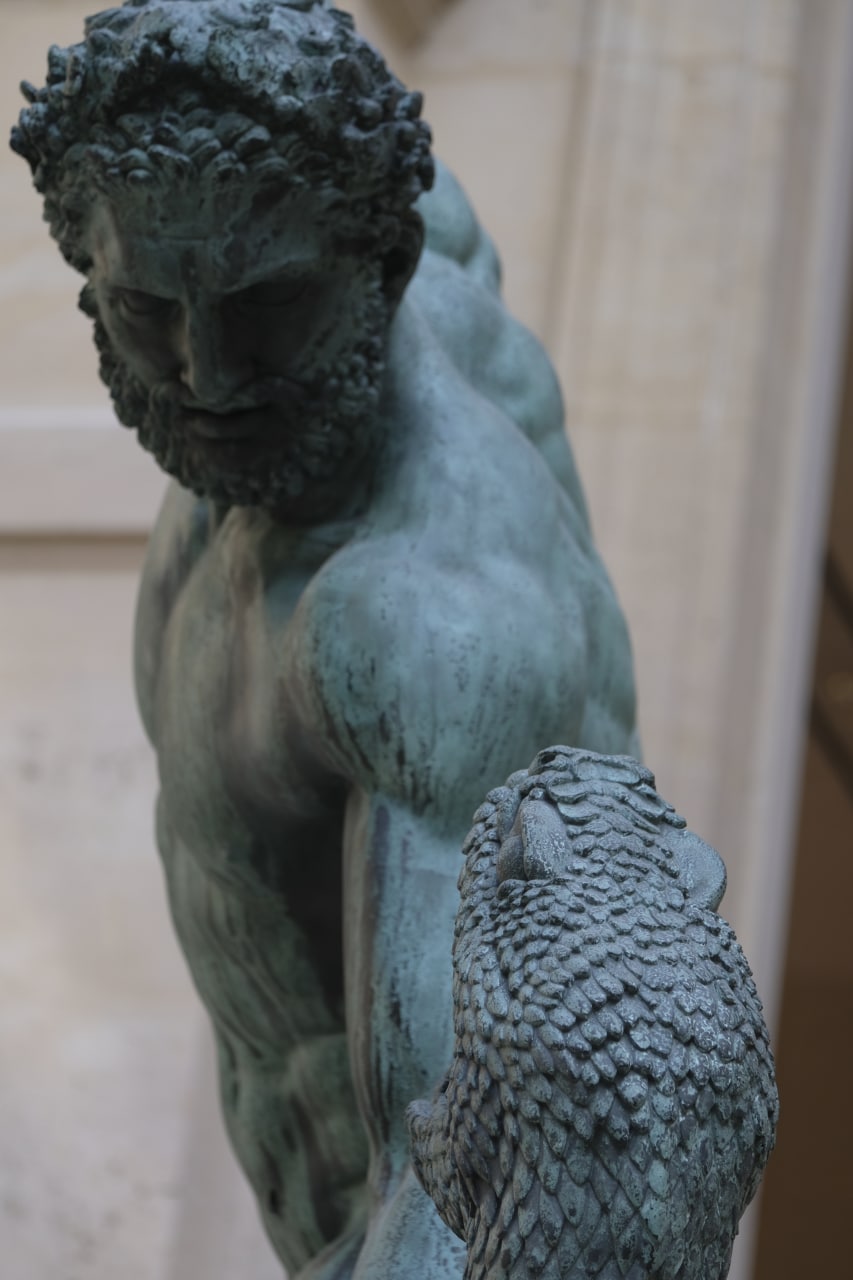
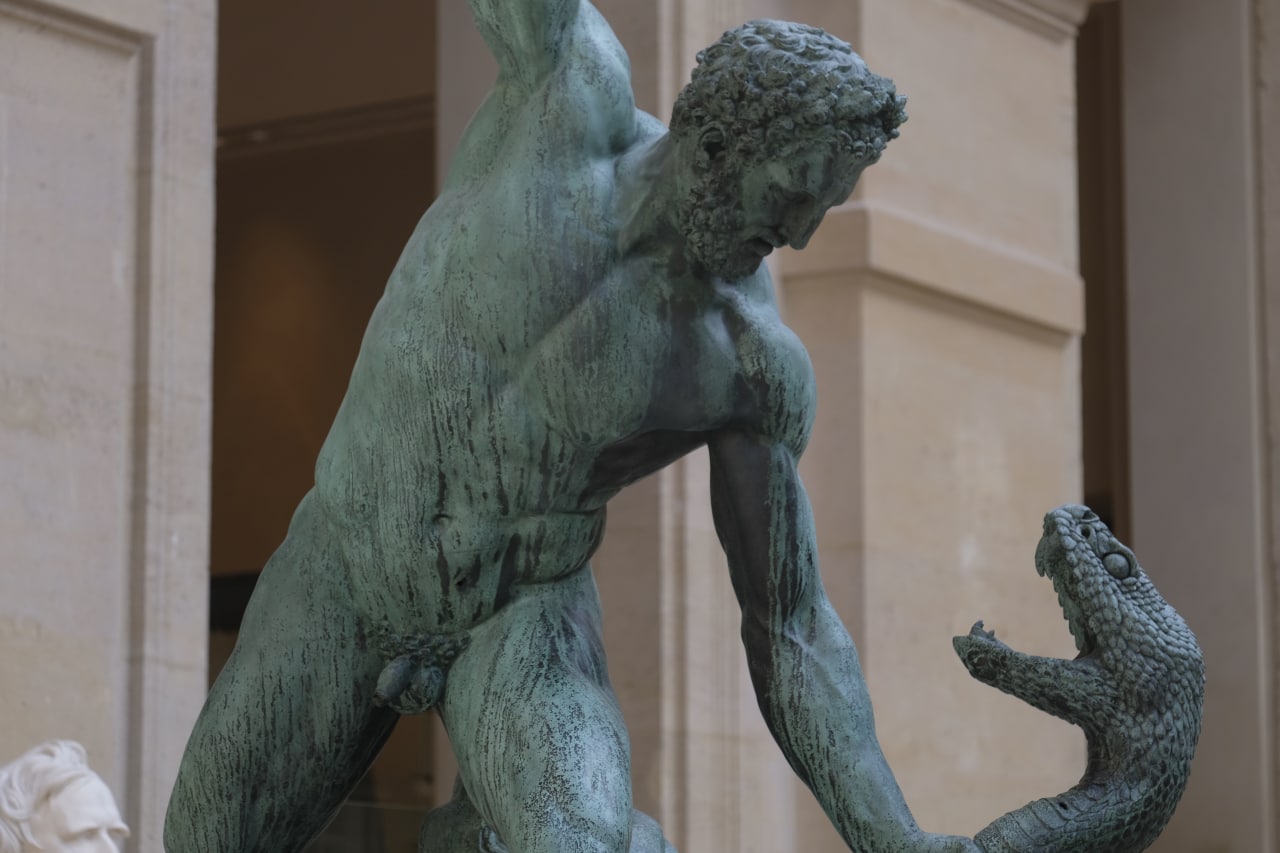
This, of course, involves integrating communication and syntactical shifts — otherwise known as Gestalt-shifts — like “macrocultures” into everyday practices, as well as in research and policymaking. We must get rid of the idea that incentives alone can solve our contemporary problems and we must forge new, bold research programs that slay the Hydra of ontological and methodological individualism. In The Cooperative Economy: Towards a Stakeholder-Led Democracy, I have attempted to do just that from a perspective attempting to integrate a philosophical discussion of democracy with the theory of the firm and an evolutionary approach to democracy.
Whether such a synthesis can slay the Hydra will have to be seen, but I am convinced these are the tools to take to the battleground.
Leave a Reply